

Within the current swiftly transforming retail landscape, digital displays has emerged as an essential tool for businesses aiming to draw in customers and enhance their shopping experiences. Since consumers are progressively impacted by vibrant content and responsive displays, brands are realizing the key role that these technologies have in increasing foot traffic and boosting sales. Through striking promotions to informative wayfinding solutions, digital signage is revolutionizing the way retailers interact with their clients.
As we delve into the various facets of digital signage, we'll discuss five key strategies that can elevate retail performance. Additionally, we'll include key considerations for choosing the appropriate technology, creating effective content, and combining modern systems that appeal with shoppers. Through understanding the significance and potential of digital signage, retailers can tap into new avenues for engagement and achieve greater achievement in their business endeavors.
Maximizing Foot Traffic with Digital Displays
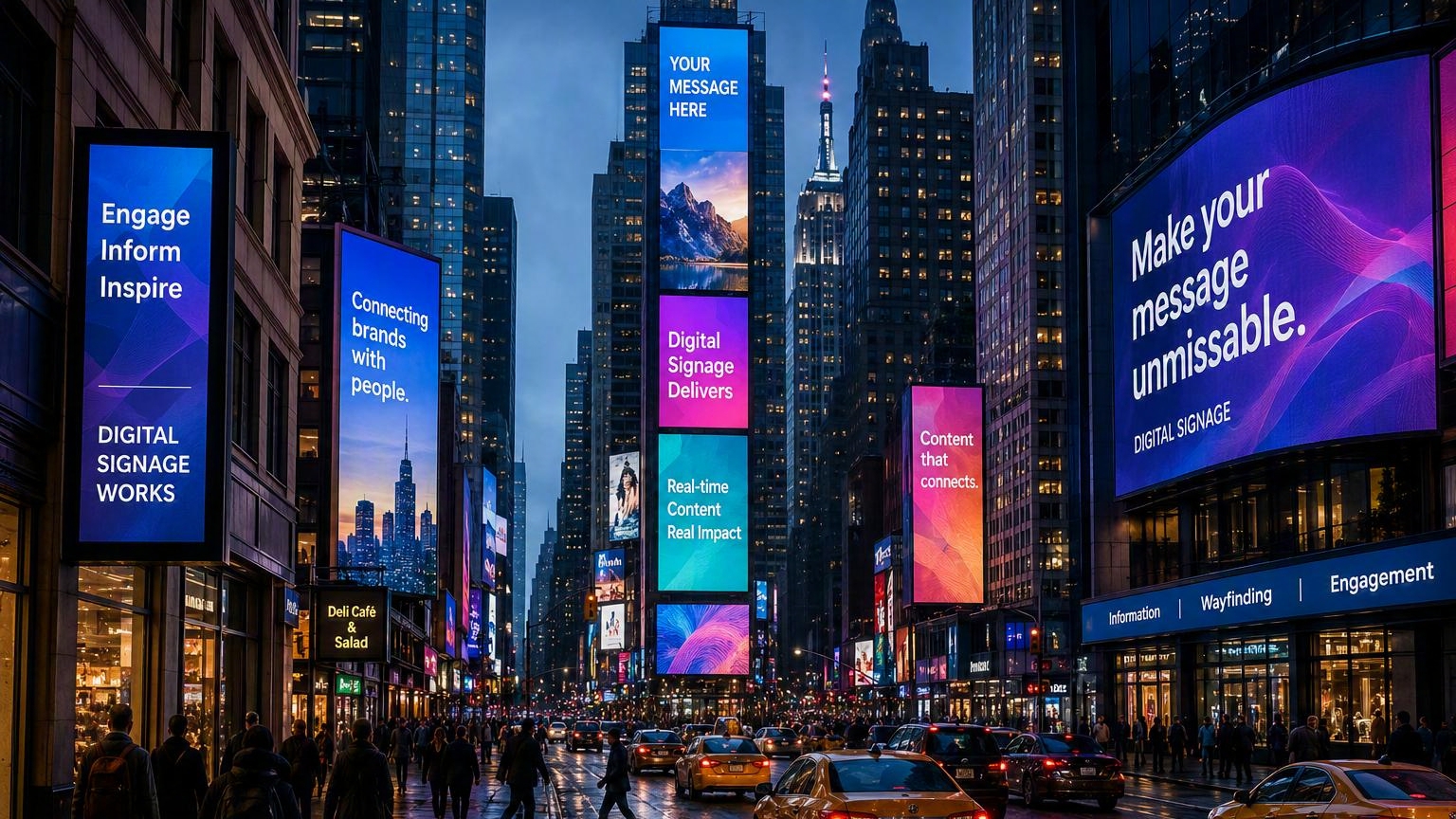
Digital displays has emerged as a crucial tool for retailers aiming to enhance foot traffic. By strategically placing interactive displays at entry points and high-traffic zones, retailers can capture the focus of bystanders and draw them into their stores. The vibrant visuals and engaging material create a strong incentive for potential customers to pause and explore the offerings inside. In contrast to static signage, which can easily be ignored, dynamic signage can highlight promotions, activities, and new products in real time, making it an efficient way to communicate with prospective customers.
Another benefit of dynamic displays is its ability to provide up-to-date and pertinent information. For example, stores can utilize these displays to showcase seasonal discounts, unique in-store deals, or announcements about local events that may appeal to their target audience. Through refreshing information regularly, stores can maintain the messaging fresh and aligned with contemporary interests, which helps maintain customer interest and encourages pedestrian flow. Furthermore, integrating online content can create a sense of belonging, showing how other buyers interact with the brand, which may inspire new customers to visit.
In addition, engaging dynamic signage enhances the customer experience by permitting interaction past inactive observation. Interactive kiosks and touchscreens can provide wayfinding support or tailored suggestions based on user interests. This not just makes the shopping experience more pleasant but also encourages shoppers to engage with the business on a more meaningful level. Through transforming the shopping environment into an engaging and informative space, stores can significantly increase foot traffic and enhance their overall sales performance.
### Selecting the Appropriate Technology for Your Display
When choosing technology for your digital signage screens, it is crucial to consider the different screen types on the market. The top three options are LCD, Organic Light-Emitting Diode, and Direct View LED. LCDs are commonly utilized due to their affordability and adaptability, making them suitable for a multitude of settings. OLED technology offers better color contrast and viewing angles, improving the visual experience, while Direct View LED is chosen for its brightness and durability in exterior environments. Understanding the distinct benefits of each technology will help tailor your signage to meet specific retail or corporate needs.
Screen brightness is one more critical factor to consider, especially for outdoor displays. High ambient light conditions require brighter screens to ensure visibility and impact. Analyzing the typical lighting environment of your site will inform your decision on the appropriate brightness levels. It may be beneficial to consult manufacturer specifications or industry guidelines to determine the best brightness that balances energy usage with display effectiveness, ensuring that your message stands out even under bright daylight.
In conclusion, you should assess the ease of content management as it plays a significant role in the effectiveness of digital signage. A robust content management system (CMS) allows for easy scheduling, updating, and monitoring of display content. Focusing on flexibility and user-friendliness in a CMS will enable your team to efficiently manage and adapt content in real time, ultimately driving higher engagement and sales. By aligning Screen Field Notes with your strategic goals, you can enhance the performance of your digital signage initiatives and optimize your ROI.
Enhancing Customer Experience Through Engagement
Electronic displays plays a crucial role in enhancing consumer experience by establishing engaging environments. Retailers can leverage touchless interactive displays to allow customers to explore products and retrieve information at their leisure. This interactive experience not only attracts shoppers but also invites them to allocate more duration in-store, significantly enhancing the probability of a purchase.
Moreover, integrating social media streams into live retail displays produces a lively atmosphere that connects with customers. By showcasing user-generated content and brand-related updates, retailers can cultivate a sense of community and enrich the shopping experience. This live interaction encourages shoppers to engage with both the brand and other customers, which can enhance brand loyalty and stimulate repeat visits.
Moreover, the strategic use of high-refresh rate commercial displays can attract attention and convey promotional messaging efficiently. Dynamic content, including motion graphics and video displays, has proven to be more engaging than static images, leading to increased retention rates among potential buyers. By focusing attention on visually stimulating content, retailers can not only enhance the overall shopping experience but also increase their sales performance.